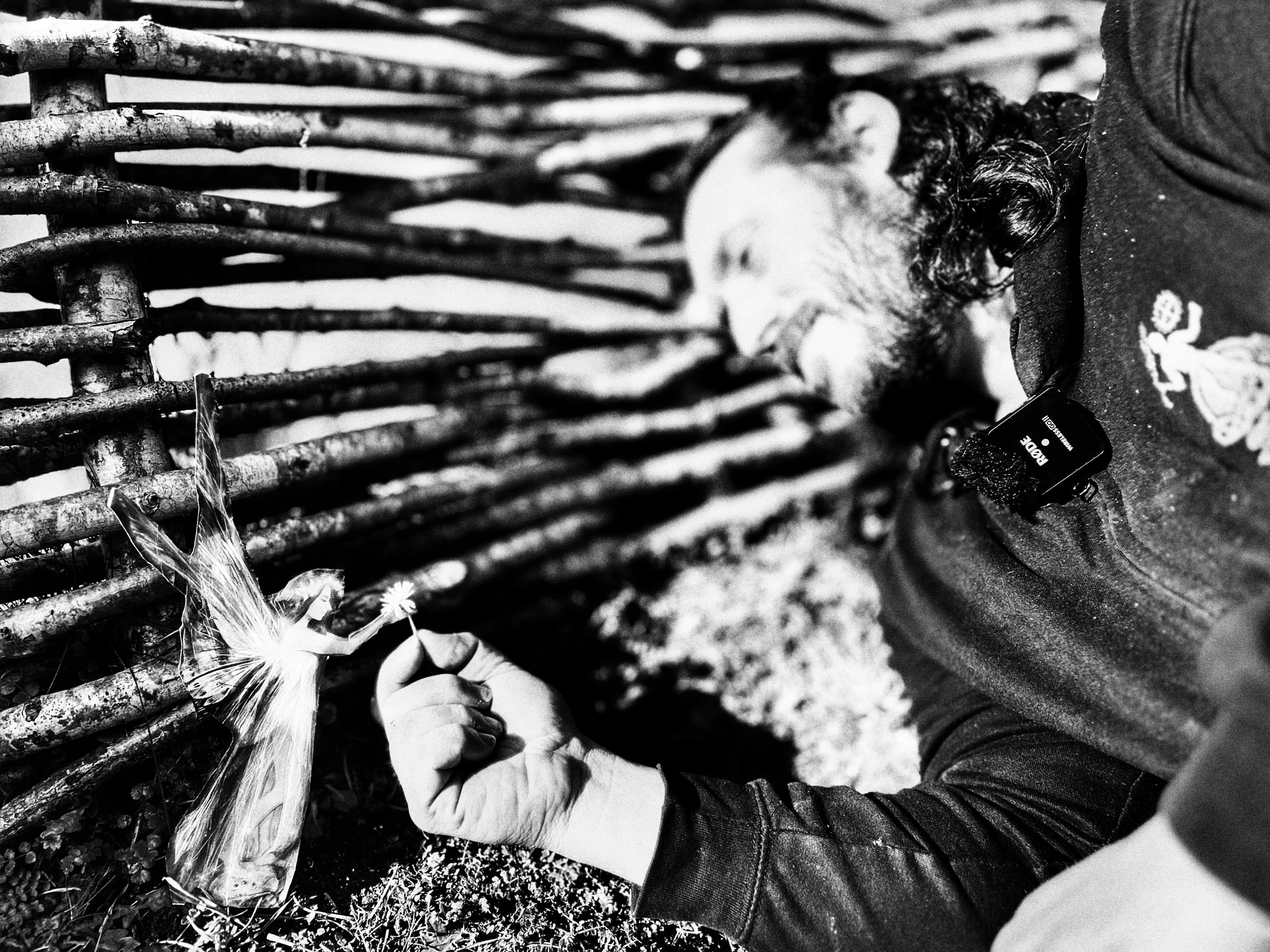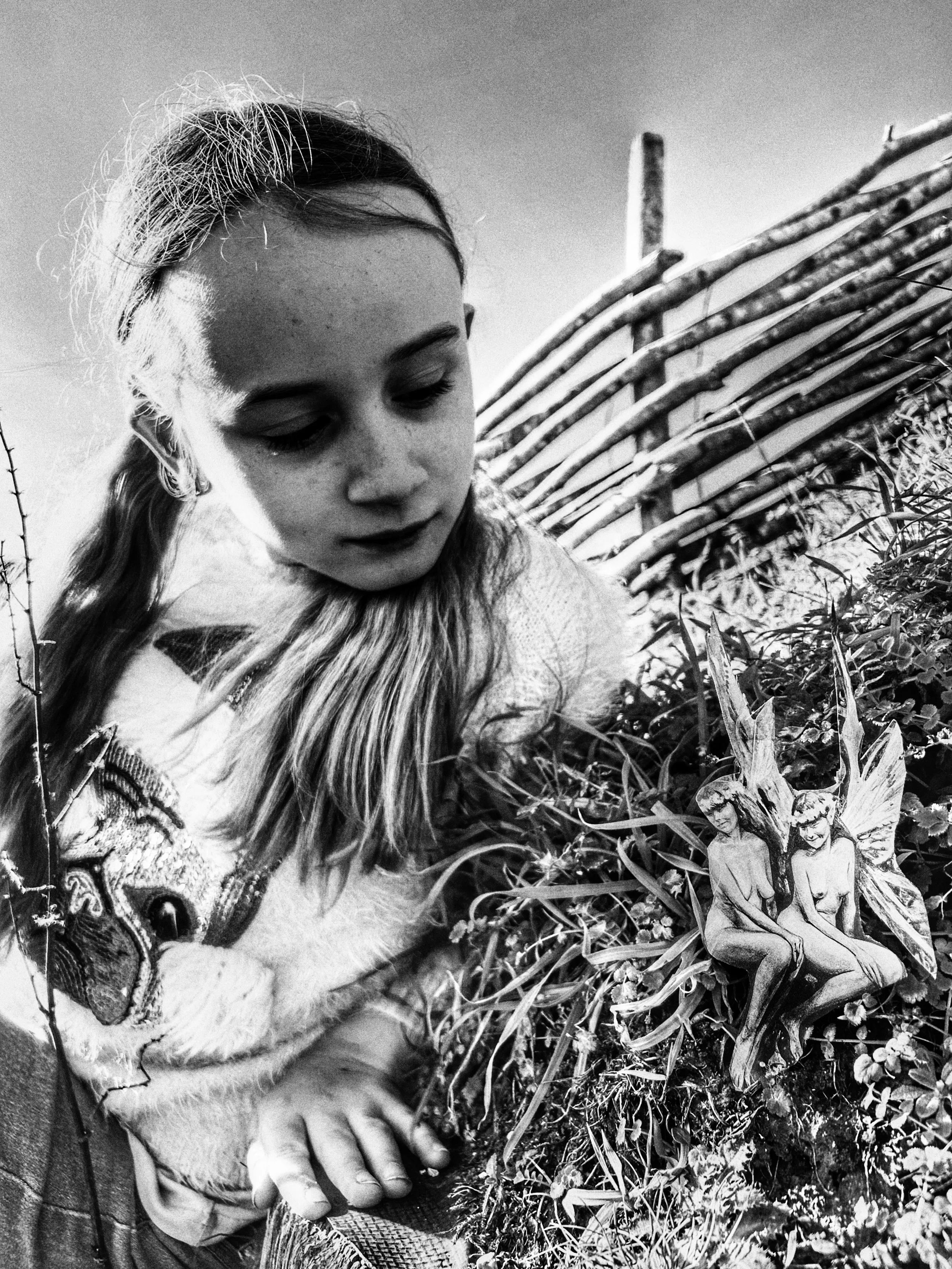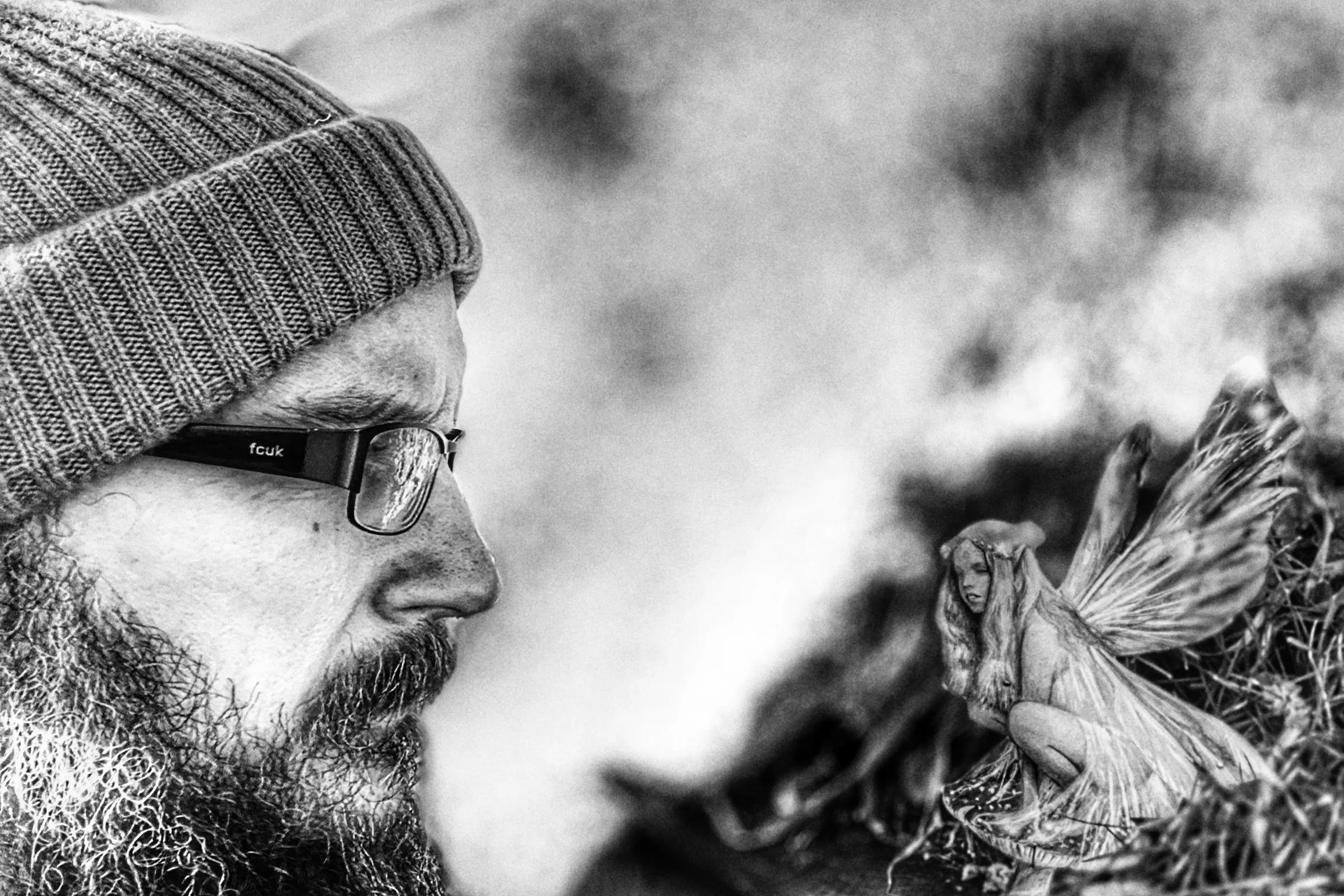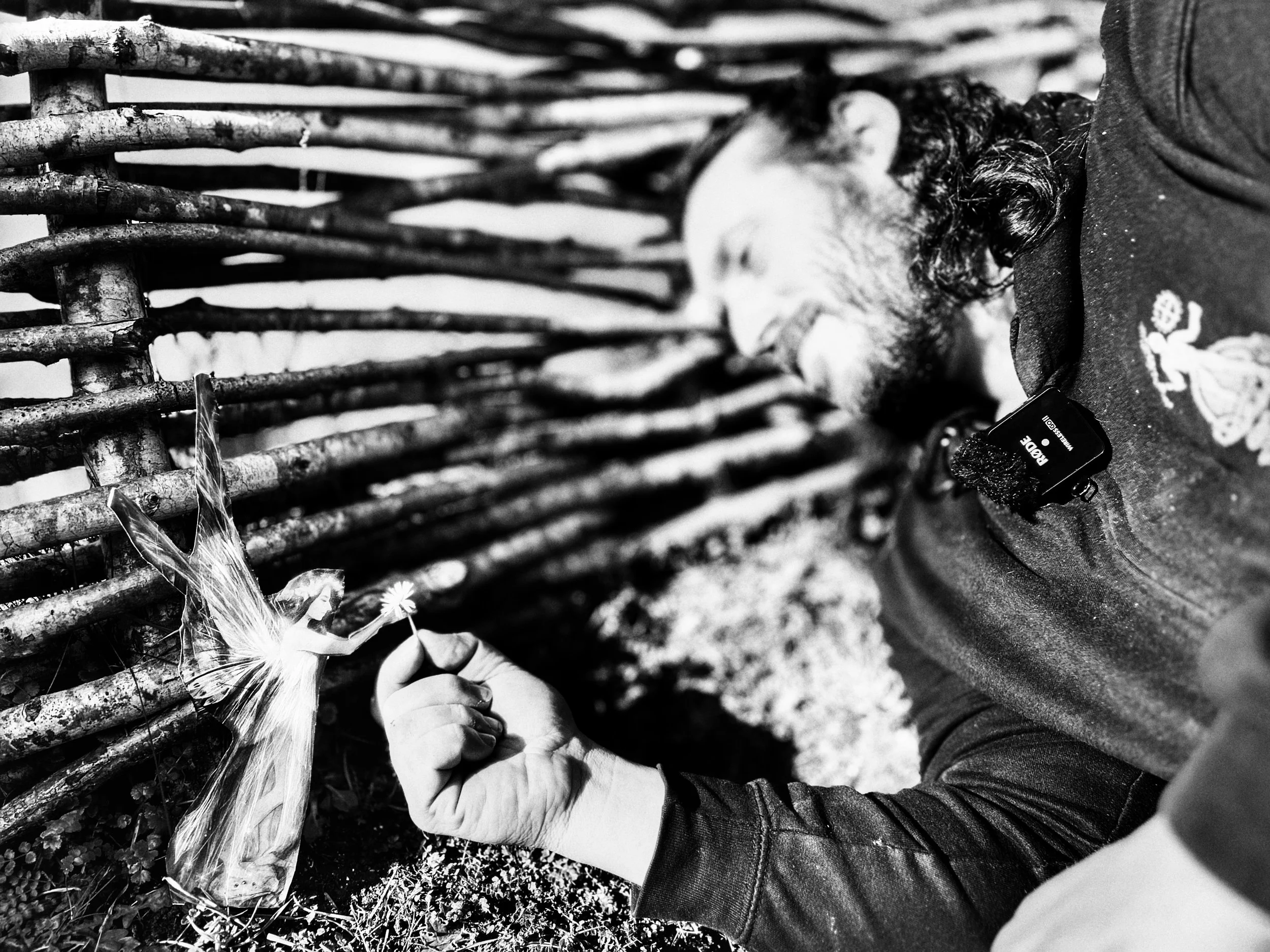
In 1917, at the edge of a garden in a quiet Yorkshire village, two young girls managed to capture something on camera that would haunt the 20th century. For decades, the Cottingley Fairies stood as a beacon of the supernatural, sparking a global debate between the world’s greatest thinkers and its most eagle-eyed sceptics.
While the story is often dismissed as a childhood prank involving paper cutouts and hatpins, a closer look suggests something far more "Wyrd." As we explore in this week’s episode, the Cottingley incident wasn't just about a "hoax"—it was about the desperate human attempt to prove the existence of a hidden layer of reality that many of us are still glimpsing today.
The Paper Spirits of 1917
Elsie Wright and Frances Griffiths didn't just stumble upon the supernatural; they tried to photograph it. When the five iconic photos emerged, they showed the girls in the company of dancing spirits and woodland gnomes. The creator of Sherlock Holmes, Sir Arthur Conan Doyle, became their most famous champion. He saw the photos as scientific proof of a "finer plane of matter"—a world of ectoplasm and ethereal beings that exists just beyond the reach of our five senses.
The eventual revelation that the fairies were copied from Princess Mary’s Gift Book broke the hearts of many believers. However, as we discussed, the girls might not have been lying about what they saw. Instead, they reached for their scissors to build a "physical translation" of a weird experience they had no other way to prove. They built a bridge between our world and the next out of paper and pins.
The Hidden City in the Woods
This idea of a "hidden layer" isn't confined to the early 1900s. In our investigation, we touched on a profound experience from a trip to a Cornish woodland. We met an artist who described the woods not as a collection of trees, but as a thriving city of the other folk.
They weren't describing the colourful fairies of modern fiction. They were talking about a complex, bustling civilisation existing on a finer plane—one that they have documented in their own artwork. This "city" in the trees is a vivid reminder that the world is far more populated than we realize, provided you know where (and how) to look.
The Fairy Census: Modern Accounts
If fairies were merely a Victorian fad, the reports would have stopped when the cameras got better. But they didn't. The Fairy Census continues to document hundreds of startling first-hand accounts from the modern day that mirror the Cottingley experience:
The Flickering Folk: Witnesses across the UK continue to report "beings made of static" or "flickering light" moving through hedges and gardens—forms that defy our current understanding of biology.
The Accusing Pixie: One notable modern account involves a motorist in Cornwall who saw a small, glowing figure pointing accusingly at him from a hedge. This warning caused him to slow down just seconds before encountering a dangerous hazard on the road.
The Garden Residents: Much like Elsie and Frances, modern witnesses often find themselves face-to-face with the "other folk" in mundane places—back gardens, local parks, and dog walks—proving that the "Hidden Layer" doesn't require a deep, ancient forest to manifest.
Accepting the Wonder
Perhaps the lesson of Cottingley isn't about whether the photos were "fake." Perhaps it's about the fact that the garden is far more complex and Wyrd than our 21st-century logic can fully capture. Whether it’s a "thriving city" in a Cornish wood or a flickering form in a Wessex hedge, these encounters remind us that the world is still full of mystery.
As you head out for your winter walks this month, keep an eye on the edges of the light. If you see something you can't quite explain, don't worry about the logic—just enjoy the wonder.
Stay Wyrd.